While some molds and fungi are beneficial to our environment, such as blue cheese and mushrooms, black mold in your home is not. Mold can indicate inadequate ventilation and an abundance of moisture in your house, leading to health issues for certain people. Stachybotrys chartarum is a form of “toxic black mold” that you may have heard about, but the truth is that it isn’t any more harmful than other mold species or colors. That being stated, you should take all necessary measures to remove any mold that may be present in your home, especially in your shower.
Let’s learn how to get rid of black mold in shower!
Guide How To Get Rid Of Black Mold In Shower
Mold growth on bathroom tiles may result in dark patches or stains, which could also appear powdered or fuzzy. Any kind of tile, including natural stone, porcelain, and ceramic, can develop mold.
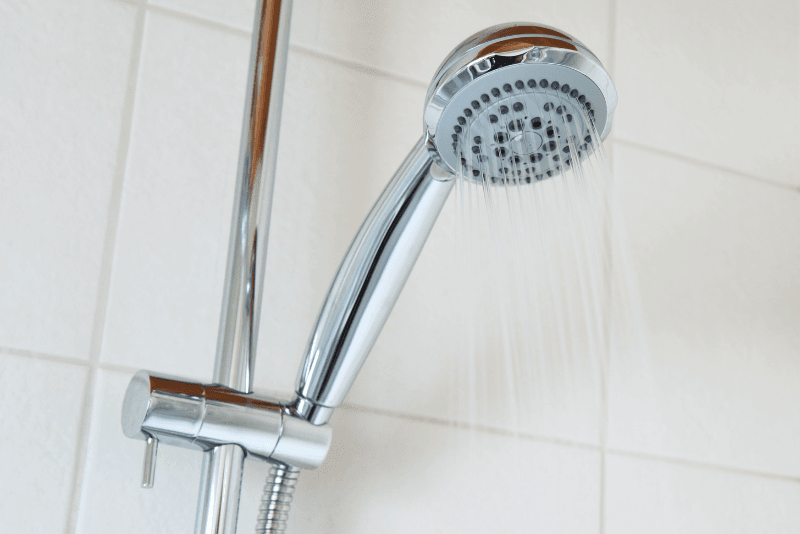
Mold thrives under warm, humid, and moist conditions, all of which are typical in bathroom. A leaking sink, toilet, or shower can provide the ideal environment for the growth of mold. Mold growth can also be caused by inadequate airflow. Let’s dive in and learn how to get rid of black mold in shower.
How To Get Rid Of Black Mold In Shower
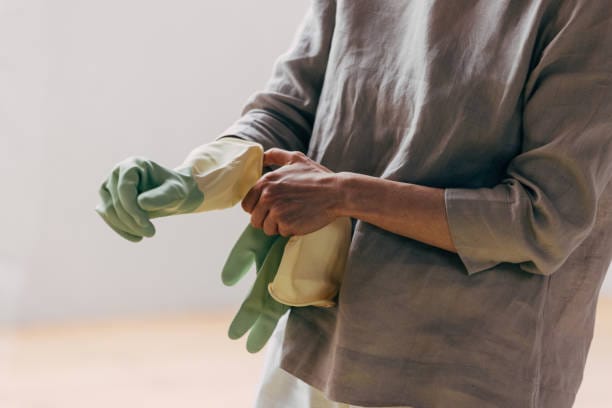
Black mold in the shower can be removed with a variety of household cleaning products, but you can also create your mold-cleaning solution in the bathroom using common items from your home. When applying any kind of mold removal solution in a bathroom, use gloves and work in an area with good ventilation. Since cleaning mold can release mold spores into the air, it is advised to wear a mask.
Using a disinfectant or antifungal solution is necessary to eradicate black mold on bathroom tiles. Here are a few products that you can utilize:
Baking Soda
Mold spores can be eliminated by using baking soda, a natural disinfectant. Using a sponge or cloth, apply the paste—which is made by combining equal parts baking soda and water—to the tile. After letting it sit for ten to fifteen minutes, use a brush to clean the mold.
Bleach
One effective remedy for black mold in showers is bleach, but it should only be applied in an area with adequate ventilation. When handling bleach, always open a window or switch on your shower exhaust fan. Apply the solution to the afflicted area after combining one teaspoon of bleach with one cup of water. After letting it sit for ten to fifteen minutes, use a brush to clean the mold. Although the method works well on nonporous surfaces like showers, sinks, tubs, and toilets, it shouldn’t be used to remove mold from walls or ceilings.
Borax
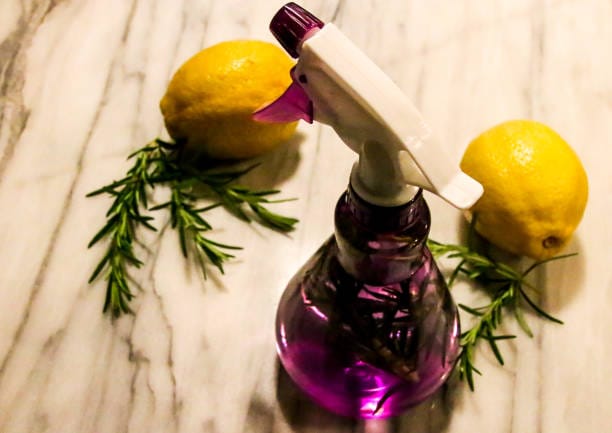
A natural remedy for mold in showers is borax, a white mineral powder. Combine one gallon of warm water with one cup of borax. Fill a spray bottle with a portion of the solution. Directly mist the area you like to clean. Mold stains can be removed using a clean cloth, sponge, or scrub brush. When mopping tile or vinyl floors, use the leftover borax mold cleaner.
Distilled White Vinegar
One excellent choice for getting rid of mold in the bathroom is distilled white vinegar. Use it straight on your shower head, drain, or toilet, or dilute it to clean tile floors. Even though undiluted white vinegar doesn’t smell particularly pleasant, it works wonders for mold removal. Using a sponge or cloth, apply a solution made by combining one part vinegar with three parts water to the tile. After letting it sit for ten to fifteen minutes, use a sponge or rag to scrape the mold off. Use a bristle brush to scrub mold that is hard to eradicate.
Hydrogen Peroxide
One effective disinfectant that can eradicate mold spores is hydrogen peroxide. Using a sponge or cloth, apply a solution of one part hydrogen peroxide to three parts water to the afflicted area. After letting it sit for ten to fifteen minutes, use a brush to clean the mold.
How Do You Prevent Mold from Growing on Shower Tiles?
The best defense against black mold in the shower is to stop it from spreading. The best defense against black mold in the shower is to stop it from spreading.
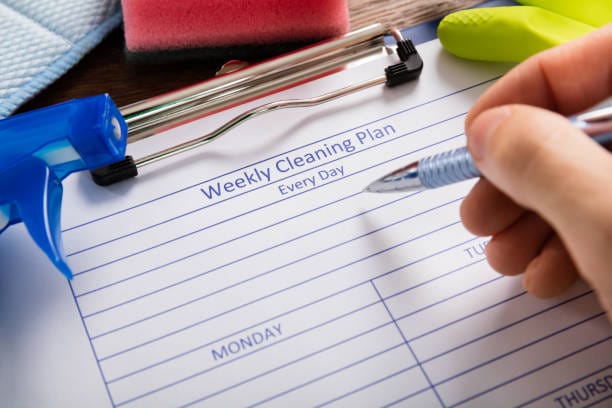
After taking a shower, operate an exhaust fan for at least half an hour to remove extra moisture. To save water in the bathroom, squeeze the shower walls every day after usage. Remove wet towels and keep the floor dry. Another excellent strategy to keep mold from becoming a problem is to disinfect the bathroom once a week. To find out how to clean your bathroom, use our checklist.
Maintain a clean bathroom by routinely cleaning the shower, tub, sink, tile, and toilet with soap and water. Clean the tile and grout using a mildew-resistant solution.
· Clean Spills: Wipe up spills on the floor as soon as possible.
· Control humidity: To keep the air in the shower dry, use a dehumidifier. Aim for between 30 and 50 percent relative humidity.
· Dry wet areas: Be mindful to completely dry wet surfaces after taking a shower, taking a bath, or cleaning the floors. Any water that has been collected on the floor can be cleaned up with a mop or towel.
· Improve Ventilation: Mold growth may be encouraged by inadequate ventilation. During and after showers, turn on the exhaust fan or open a window to keep the bathroom well-ventilated.
· Repair Leaks: A leaking sink, toilet, or shower can provide the ideal environment for the growth of mold. Any leaks should be repaired right away.
· Use Mold-Resistant Products: Use mold-resistant products when building a new bathroom or enhancing an existing one. These consist of caulking, paint, tile, grout, and drywall that is resistant to mold.
You can maintain your shower looking its best and clear of black mold by using these suggestions.
Mold in your bathroom especially in your shower might be a sign of inadequate ventilation and high levels of moisture, which could lead to health problems. Home cleaning products like hydrogen peroxide, baking soda, bleach, borax, and diluted white vinegar can be used for easy ways how to get rid of black mold in showers. Run an exhaust fan, squeeze the walls every day, keep the floors dry, and take out wet towels to get rid of extra moisture. Maintain a mold-free environment by cleaning the shower regularly, fixing leaks, improving ventilation, using mold-resistant products, cleaning up spills, drying wet areas, and using a dehumidifier.
With a little elbow work and some disinfectant supplies, you can eradicate a tiny colony of allergenic or pathogenic black molds. It is preferable to hire a professional mold removal service to do the work if the mold colony is huge or harmful.
Sarah is part of the content team at No More Chores, Toronto's highest-rated residential cleaning service. Drawing on 10 years of hands-on cleaning expertise and thousands of jobs across the GTA, she covers home cleaning tips, service guides, and practical advice for keeping your home in top shape.