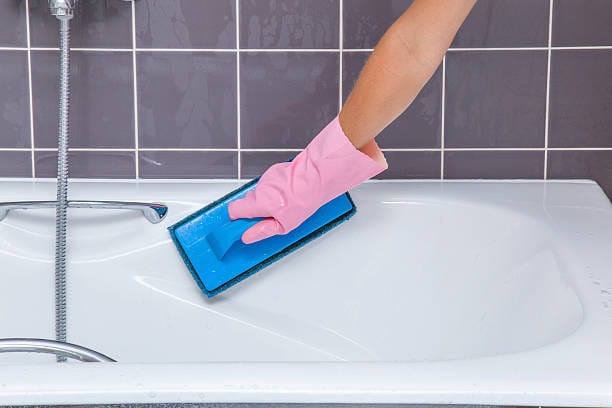
While bathtubs offer a convenient means of relieving tension, soiled surfaces and stains might make your nightly soak less than soothing. Over time, bacteria, dirt, soap scum, hard-water deposits, and even mold or mildew can accumulate if it is not cleaned frequently. Make sure your bathtub is ready for you by following our simple cleaning guide to how to clean bathtub in Canada.
Guide: How To Clean Bathtub
You may need to do these cleaning steps once a week, depending on how frequently you use your tub. Plan to give your tub a thorough cleaning at least once a month if you don’t use it as often. Listed below are methods on how to clean bathtub.
Baking Soda And Vinegar Method
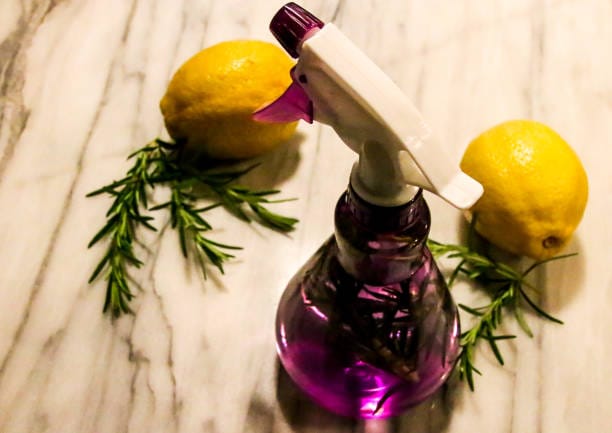
This traditional mixture works wonders for cleaning fiberglass and porcelain tubs. Combine vinegar and water in a spray bottle. Use a water-to-vinegar ratio of two to one for fiberglass baths. Make use of a one-to-one ratio for porcelain baths. After giving the tub a thorough spray, leave it for 15 to 20 minutes. Over the vinegar solution, scatter the baking soda. From top to bottom, scrub using a sponge or moist towel. Rinse well with fresh water.
Lemon Juice And Dish Soap Method
This technique works very well for acrylic tubs. Mix the dish soap and baking soda in equal parts. A few drops of lemon juice should be added. Stir until frothy. After applying the mixture, leave it for half an hour. Gently scrub from top to bottom with a damp sponge. Use fresh water to rinse the entire tub.
Commercial Cleaning Products Method
Commercial cleaners are necessary for certain tasks, even if natural remedies frequently work. For optimal results, use high-quality cleaning solutions for the material of your tub and carefully follow the directions on the label. For the safe and efficient use of commercial bathtub products, we advise adhering to these recommended practices. Open the windows or turn on fans to provide fresh air into the bathroom. Follow the directions on the packaging to apply the cleanser. Let the product sit for the duration specified. Use a cloth or non-abrasive sponge to scrub. To get rid of any residue, rinse with hot water.
Professional-Grade Methods
If your bathtub hasn’t been cleaned in years or is quite dirty, you may need to use professional-grade methods. Using a gel toilet bowl cleanser with bleach is one way to get rid of stubborn dirt since it sticks to surfaces. Use the gel cleanser on trouble spots, particularly around corners and grout lines. To hold the gel in place on vertical surfaces, cover it with paper towels. For severe situations, leave the gel to sit for at least an hour or overnight. Use a brush to scrub the area well. Rinse well with fresh water.
Cleaning Different Bathtub Materials
To prevent damage and achieve the best results, different bathtub models use different materials, which call for different cleaning techniques. Let’s explore some common bathtub materials and their qualities.
Acrylic Bathtubs
Because they are strong, lightweight, and available in a variety of colors, acrylic tubs are very popular. However, stay away from abrasive cleansers because they are prone to scratches.
Fiberglass Bathtubs
Due of its low cost and portability, fiberglass tubs are often installed by homeowners. Fiberglass tubs, however, are prone to discoloration and cracking. To prevent damage, they need to be cleaned gently. Fiberglass tubs require regular maintenance to keep their finish and avoid discolouration.
Natural Stone Bathtubs
Marble and granite baths are examples of natural stone tubs that are both opulent and unique. To avoid etching and damage, keep natural stone away from acidic cleaners. To maintain their attractiveness, these sophisticated, premium tubs require maintenance.
Porcelain Bathtubs
Older homes frequently include porcelain tubs because they are timeless and chemical-resistant. Although they can withstand more abrasive cleaners, they may chip when struck. Though they require careful attention to remain in excellent condition, these opulent tubs can endure for decades.
Safety Measures FOR Bathtub Cleaning
After knowing how to clean bathtub, it’s also crucial to take safety measures when cleaning bathtubs to prevent accidents, skin irritation, and exposure to hazardous chemicals. Here are some important safety standards:
1. Let The Space Breathe
To guarantee enough ventilation, open the windows or put on the bathroom fan. Numerous cleaning supplies emit vapors that may cause respiratory irritation.
2. Put On Protective Gear
Eye Protection: To prevent splashes into your eyes when using strong cleaning products, put on protective goggles.
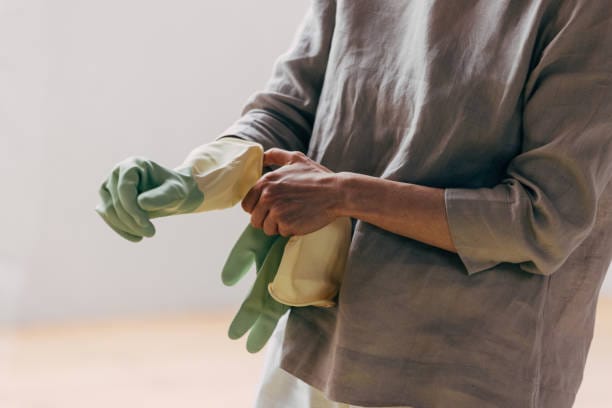
Gloves: To shield your hands from abrasive chemicals, debris, and grime, always wear rubber or latex gloves.
Mask: Wearing a mask can help prevent you from breathing in hazardous vapors while using powerful chemical cleansers like bleach or ammonia.
3. Pick The Appropriate Cleaning Supplies
Because they might produce harmful gasses, avoid combining different cleaning supplies (such as bleach and ammonia). When attainable, use natural, non-toxic cleaning products like vinegar, baking soda, or specialty eco-friendly cleaners.
4. Follow The Directions
When using cleaning products, always carefully follow the manufacturer’s directions. This guarantees efficacy and safety.
5. Test The Cleaning Products In A Small Area
Make sure a new cleaner won’t discolor or damage the bathtub’s surface by testing it on a little, discrete area.
6. Use Cleaning Products Properly
Make sure the power scrubber and scrub brush you’re using are safe to use and in good working order. To prevent trip hazards, make sure that any wires or batteries are handled and kept appropriately.
7. Utilize Appropriate Cleaning Methods
Avoid using too much force while cleaning areas that could cause scratches on the tub. Use a mild, non-abrasive cleanser rather than vigorous scrubbing for tough stains.
8. Keep Kids And Pets Away
Keep kids and pets out of the bathroom while using strong chemicals to avoid unintentional exposure to dangerous materials.
9. Rinse Well
Rinse the tub well after washing to get rid of any cleaning residue that can irritate skin or harm it if left behind.
10. Do Not Walk On Wet Floors
When wet, bathtubs can become slick. Exercise caution to avoid slipping, particularly when circling the tub. For extra stability, think about laying a non-slip mat on the ground.
Bathtubs can accumulate grime and stains over time, so it’s important to know how to clean bathtub in Canada. Use vinegar and baking soda for porcelain and fiberglass tubs, and lemon juice and dish soap for acrylic tubs. Choose high-quality commercial cleaning products, follow label instructions, and ventilate the bathroom. Different materials require different cleaning approaches, such as acrylic, porcelain, fiberglass, and natural stone. Safety precautions include ventilation, wearing protective gear, testing products, handling tools safely, and thoroughly rinsing the tub after cleaning.
If you do not have the time and schedule to do it yourself, hire the closest cleaning service in Canada. They guarantee that your bathtub will be clean and pristine.
Sarah is part of the content team at No More Chores, Toronto's highest-rated residential cleaning service. Drawing on 10 years of hands-on cleaning expertise and thousands of jobs across the GTA, she covers home cleaning tips, service guides, and practical advice for keeping your home in top shape.