Baking soda and hydrogen peroxide are two of the most useful cleaning ingredients already in most Toronto homes. On their own, each has its strengths. Mixed together into a paste, they tackle the kind of stubborn stains and buildup that most cleaners can’t touch — grout, baked-on grease, yellowed fabrics, mold stains, soap scum.
Here’s how to use them, what they’re each best for, and when to combine them.
The Basic Paste (The One You’ll Use Most)
Mix two parts baking soda with one part hydrogen peroxide (3% concentration, the standard drugstore bottle) until you get a thick paste. Apply it to the surface, let it sit for 10–20 minutes, then scrub and rinse. That’s the core formula. Everything below is a variation on this.
One important rule: never store the mixed paste in a sealed container. The reaction produces carbon dioxide and pressure will build up. Mix what you need, use it, discard the rest.
What Each One Does
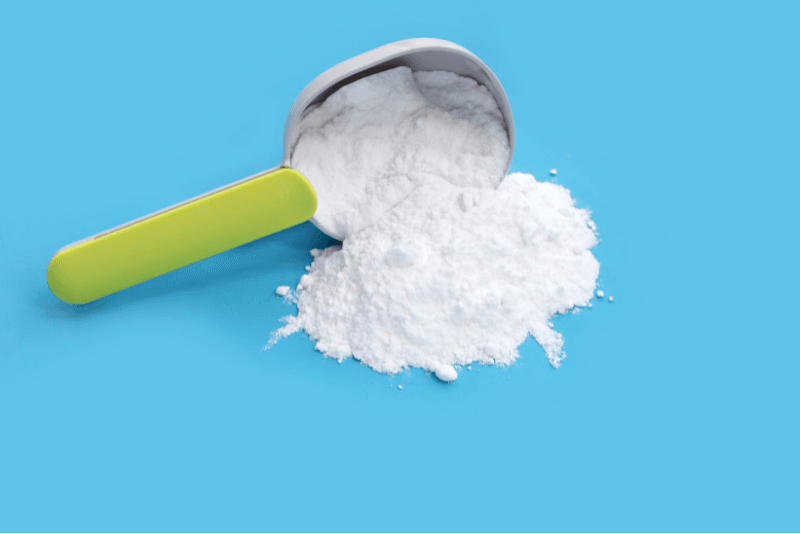
Baking soda is a mild alkaline abrasive. It lifts grime mechanically without scratching most surfaces, and it neutralizes odours by adjusting pH rather than just masking smells. It’s also inexpensive and genuinely non-toxic.
Hydrogen peroxide (3%) is an oxidizing agent — it breaks down the molecular bonds in organic stains (mold, blood, food, yellowing) and has mild disinfectant properties. At 3% concentration it’s safe for household use on most surfaces, though it can bleach or lighten dark fabrics, so test on an inconspicuous area first.
Together, the paste combines abrasion with oxidation. The baking soda gives you scrubbing power; the hydrogen peroxide bleaches and disinfects at the same time.
8 Things You Can Clean With This Combination
Grout Lines
Apply the paste directly to grout lines with an old toothbrush. Let it sit 15–20 minutes. Scrub along the grout, not across it. Rinse with warm water. For very dark or deeply stained grout, a second application helps. This is one of the best uses for the combination — the peroxide lifts the discolouration while baking soda gets into the texture of the grout.
Baking Sheets and Pans
Spread the paste over baked-on grease, let it sit 30 minutes to an hour, then scrub with a non-scratch pad. The longer it sits, the easier the cleanup. Works well on cast iron too — just dry and re-season afterward.
Shower and Tub Surrounds
Apply the paste to soap scum buildup on fiberglass or tile surrounds. Let it sit 10 minutes, scrub with a soft brush, rinse. Don’t use on polished chrome fixtures — baking soda can scratch the finish. Use a damp cloth instead.
Yellowed Laundry
Add one cup of hydrogen peroxide directly to the washer drum or bleach dispenser before starting the cycle. For collar stains or underarm yellowing, apply the paste directly to the fabric, leave 20–30 minutes, then wash normally. Use on whites and light colours only — peroxide will bleach dark fabrics.
Laundry Odours
Add half a cup of baking soda to the washing machine drum along with your regular detergent. It adjusts the pH of the wash water and helps strip odour-causing compounds from fabric. For items that can’t be washed — shoes, pillows, gym bags — seal them in a bag with a few tablespoons of dry baking soda for 24 hours.
Mold Stains on Walls and Grout
Spray undiluted hydrogen peroxide onto the mold, let it sit 10 minutes, wipe off. Then apply the baking soda paste for scrubbing and odour removal. Open windows and wear a mask. This handles surface mold effectively — if the mold goes deep into drywall or covers a large area, that’s a different problem requiring remediation.
Bathroom Faucets
For mineral deposits and watermarks around faucet bases, apply the paste with a toothbrush, leave 5 minutes, scrub gently, rinse. On polished fixtures, dilute further and test first.
Silicone Bakeware Stains
Fill a sink with warm water, pour in enough 3% hydrogen peroxide to cover the bakeware, soak for several hours or overnight. The peroxide lifts oily residue that regular washing misses. Follow with a baking soda scrub if staining persists.
What Not to Do
- Don’t mix baking soda with vinegar as a cleaning combo. The acid-base reaction neutralizes both, and you’re left with water and carbon dioxide. Neither cleaning property survives.
- Don’t use on marble or natural stone. Baking soda is mildly abrasive and can dull polished stone over time. Hydrogen peroxide can etch unsealed marble.
- Don’t use peroxide on dark fabrics without testing — it will bleach them.
- Don’t store the mixed paste. Use it immediately and discard the rest.
When DIY Isn’t Enough
Baking soda and peroxide handle most household cleaning challenges well. But if you’re dealing with grout that hasn’t been deep-cleaned in years, post-renovation residue throughout the house, or surfaces that need professional attention, that’s what No More Chores handles across Toronto and the GTA. Learn about our deep cleaning service.
Sarah is part of the content team at No More Chores, Toronto's highest-rated residential cleaning service. Drawing on 10 years of hands-on cleaning expertise and thousands of jobs across the GTA, she covers home cleaning tips, service guides, and practical advice for keeping your home in top shape.