
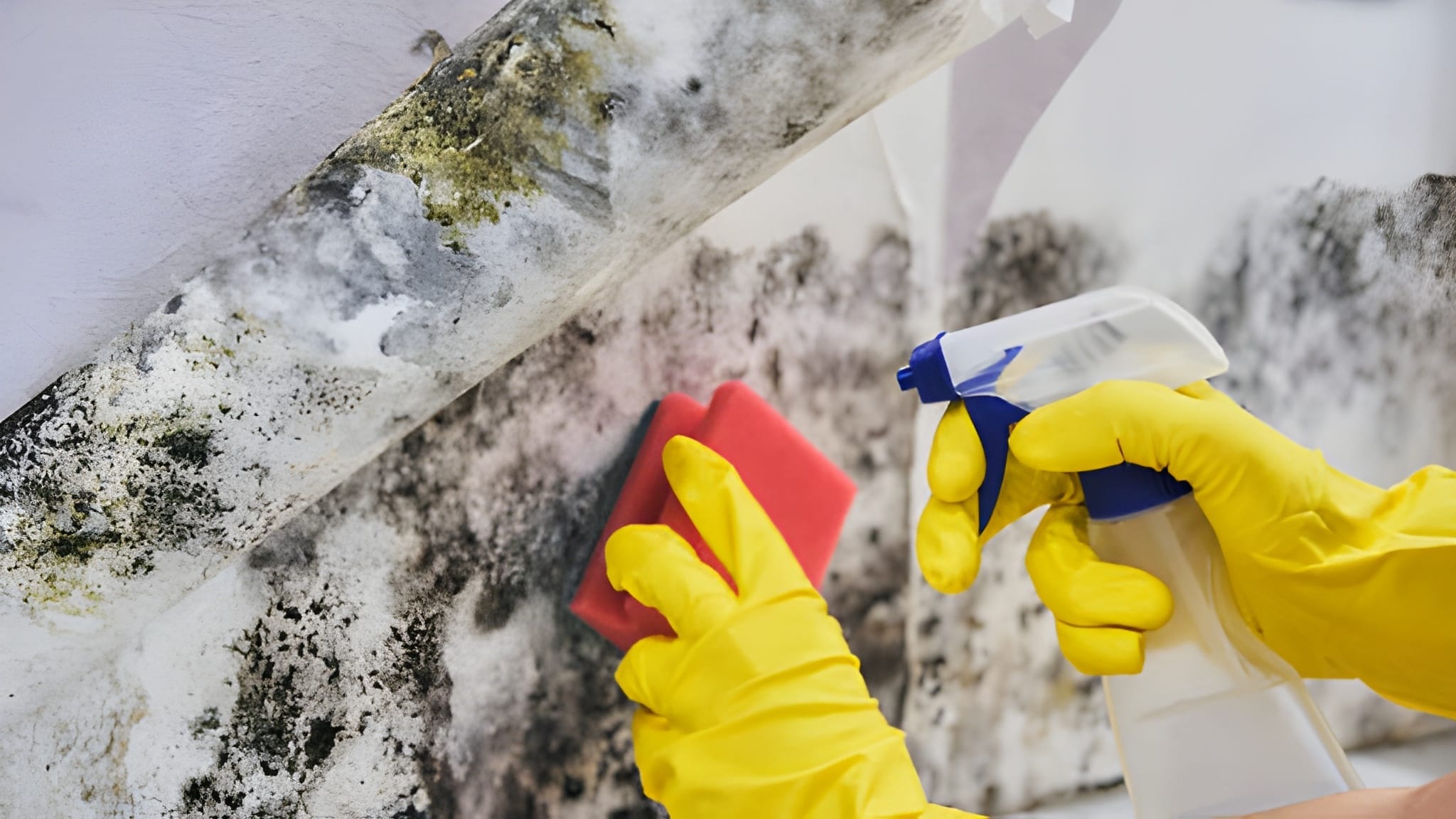
Mold growth occurs when moisture, humidity, and poor ventilation combine in your home. It commonly appears in bathrooms, basements, and damp corners. Homeowners often deal with mold due to changing weather. Mold can damage drywall and trigger allergies or asthma problems. Early detection helps prevent costly mold remediation.
Stopping mold growth starts with reducing indoor moisture and fixing water leaks. Improve airflow by using fans, opening windows, and installing exhaust systems. Keep humidity levels below 60% to discourage mold spores from spreading. Regular deep cleaning removes hidden mold colonies.
Call professional mold removal services in the GTA when mold keeps returning!
What Is Mold Growth?
Mold growth is a type of fungus that thrives in damp, humid areas. It spreads quickly across surfaces such as drywall, tile, and wood. Many homeowners notice mold in bathrooms, basements, and kitchens. These areas often have moisture problems and poor ventilation. Mold spores can spread through the air and trigger health concerns.
Mold commonly appears where water damage or high humidity exists. It can form on walls, ceilings, carpets, and HVAC vents. Indoor mold growth can cause musty odors and visible dark spots. Homeowners in humid climates should closely monitor moisture levels. Early detection helps prevent costly mold remediation.
Common Causes of Mold Growth
Mold growth happens when moisture, humidity, and poor ventilation combine inside your home. Many homeowners experience mold problems due to seasonal humidity and indoor condensation. Understanding the primary factors helps you prevent damage early. Below are the most common causes of mold growth in residential properties.
High Humidity
High indoor humidity encourages mold growth on surfaces. Moisture collects on walls, ceilings, and bathroom tiles. Mold spores thrive in damp, unventilated rooms. A dehumidifier reduces moisture and prevents mold colonies. Homeowners should monitor indoor humidity consistently.Poor Ventilation
Poor ventilation traps warm, humid air inside the home. Mold growth increases when air circulation slows. Bathrooms and kitchens need strong airflow. Exhaust
fans push moisture outdoors and prevent mold spores. Clean air improves indoor health and reduces allergy risks.Water Leaks & Plumbing Issues
Hidden water leaks create moist surfaces where mold rapidly develops. Leaking pipes drip moisture into walls and floors. Mold growth spreads when leaks remain untreated. Schedule plumbing inspections to prevent water damage. Early detection protects property value and indoor air quality.Damp Basements & Crawl Spaces
Basements often retain excess moisture due to poor drainage systems. Mold spores thrive in dark, damp crawl spaces. Condensation forms on cold basement walls and floors. A sump pump and proper sealing reduce moisture. Regular basement cleaning prevents mold growth and structural damage.
Signs of Mold Growth in Your Home
Musty Smell
A persistent musty smell is a common early sign of mold growth. This odor often appears in damp rooms and bathrooms. Mold spores release gases that create this unpleasant scent. Regular cleaning reduces lingering moisture. Homeowners should investigate unusual odors quickly.Black/Green Spots
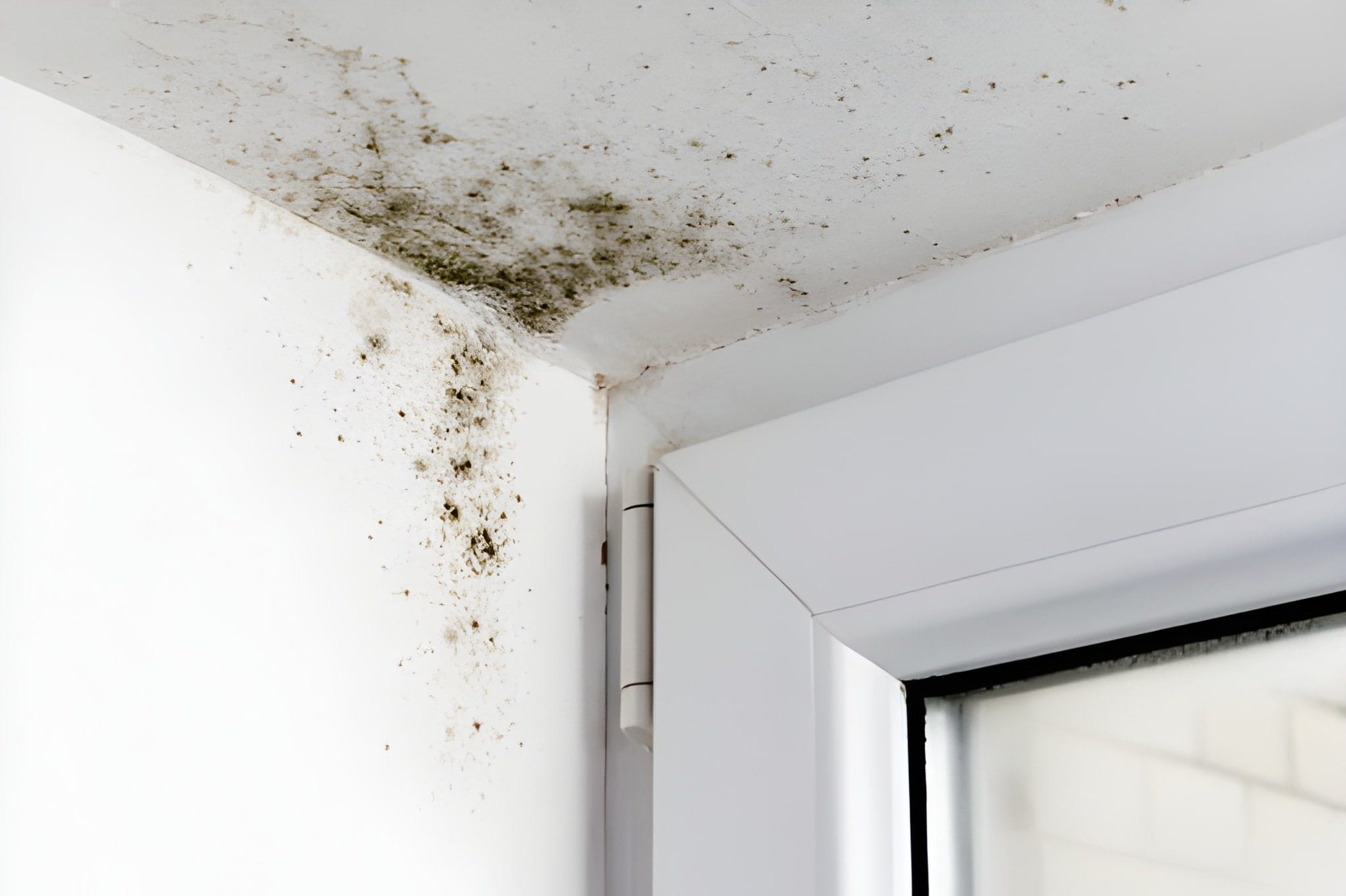
Black or green spots on walls indicate active mold colonies. These spots grow in damp, poorly ventilated areas. Mold patches spread quickly across drywall and bathroom tiles. Address growth immediately to prevent structural damage. Professional mold removal eliminates deep contamination.Peeling Paint
Peeling paint suggests moisture trapped beneath wall surfaces. Moisture breaks down paint bonds, revealing mold-friendly areas. Mold growth often hides behind flaking paint layers. Repairing leaks prevents future surface damage. Homeowners should inspect peeling walls for hidden mold.
Allergic Reactions
Unexplained allergies may signal indoor mold spores. Symptoms include coughing, sneezing, and itchy eyes. Mold exposure affects people with asthma more severely. Reducing indoor humidity improves air quality. Seek mold inspection if symptoms persist.
Health Risks Associated With Mold
Mold growth can create several serious health risks inside your home. It releases spores into indoor air, affecting your breathing. Mold can lead to chronic coughing and sinus problems. Homeowners in the Greater Toronto Area should address mold immediately.
Respiratory Irritation
Mold spores can irritate your respiratory system and cause discomfort. Homeowners may experience coughing and throat irritation. Long-term exposure can damage lung health. Professional mold removal helps protect indoor air quality.
Allergy Triggers
Mold growth is a common trigger for seasonal allergies. Homeowners may notice itchy eyes and sneezing. Mold can worsen symptoms in damp environments. Reducing humidity levels helps control mold in Toronto homes.
Asthma Concerns
Mold exposure can worsen asthma symptoms and breathing difficulties. Children and seniors face higher risks. Mold spores may trigger lung inflammation. Professional cleaning helps reduce mold-related asthma triggers.
Source-Supported Facts
Health agencies warn about the dangers of mold growth and indoor air contamination. Studies show increased respiratory infections from mold exposure. Scientific data links mold toxins to serious health problems. Mold prevention keeps your home safe and healthy.
Areas Most at Risk in Homes
Some rooms produce more humidity, increasing the risk of mold growth. Pay close attention to bathrooms, basements, laundry rooms, and HVAC ducting. Moisture control and proper ventilation support healthy indoor air quality. Early detection prevents costly repairs and potential health issues. Regular cleaning and maintenance help reduce mold in these vulnerable areas.
Bathrooms
Bathrooms collect moisture from hot showers, leaking faucets, and poor ventilation, which can lead to mold growth. Wiping down wet surfaces and using exhaust fans help reduce humidity and prevent the spread of spores. When mold becomes visible, homeowners should consider professional deep cleaning to safely remove stubborn buildup.
Basements
Laundry Rooms
Laundry rooms build up moisture from washers, dryers, and damp clothing. Steam, leaks, and poor ventilation encourage mold growth around appliances and vents. Regular cleaning and proper airflow help prevent mold stains and protect family health.
Near HVAC/Ducting
HVAC systems can circulate mold spores through ducts, especially when condensation forms on metal surfaces. Dirty air filters trap moisture and organic debris, encouraging mold colonies inside vents. Regular HVAC maintenance and professional duct cleaning help prevent contamination and support healthier indoor air quality.
DIY Prevention Tips to Stop Mold Growth
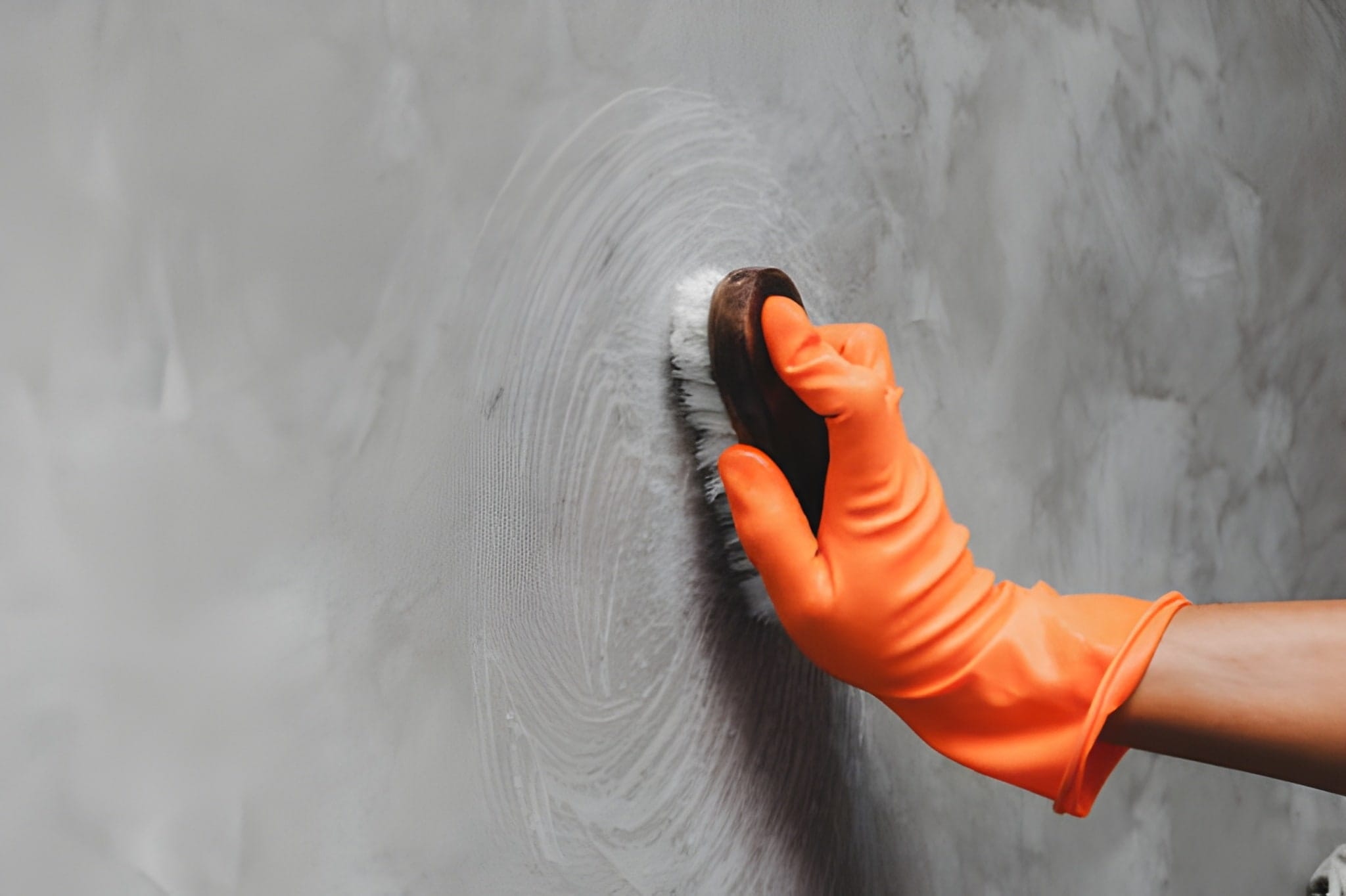
Stopping mold growth starts with a few simple home maintenance habits. These mold prevention strategies help reduce moisture and protect indoor air quality. Many Greater Toronto Area homeowners face humidity challenges, making prevention important. Below are practical DIY mold removal tips you can start today. Follow each step to keep your home healthy and safe.
Improve ventilation
Proper ventilation prevents moisture buildup and reduces mold growth in your home. Open windows when cooking or showering to improve airflow. Install exhaust fans in high-humidity rooms, such as bathrooms and laundry areas. Good ventilation also protects walls, floors, and furniture. Better airflow is one of the easiest ways to prevent mold.
Fix leaks quickly
Address plumbing leaks immediately to stop mold from spreading. Water damage behind walls can cause mold to grow quickly. Regularly check sinks, pipes, and ceilings for moisture spots. Repairing leaks prevents structural damage and mildew odors. Quick action saves you money and keeps indoor air healthy.
Use HEPA filters
HEPA filters help reduce airborne mold spores in your home. These filters trap tiny particles that cause allergy symptoms. Install them in vacuums and air purifiers for better air quality. Clean or replace filters regularly according to the manufacturer’s instructions. HEPA filtration supports long-term mold prevention.
Keep humidity below 60%
High humidity encourages mold growth on walls, ceilings, and fabrics. Use dehumidifiers to control moisture in damp rooms. Monitor humidity levels with a simple home hygrometer. Keep your HVAC system clean and well-maintained. Lower humidity creates a healthier and safer living environment.
Should You Remove Mold Yourself?
DIY mold removal is sometimes safe for very small spots. These minor patches usually appear on bathroom tiles or window frames. Use proper safety gear and ventilation to reduce mold exposure risks. Homeowners should avoid scraping or spreading spores in other rooms. Always monitor the spot for recurring mold growth later.
Call mold removal professionals for black mold or large contaminated areas. These growths can trigger allergies, asthma symptoms, and serious respiratory issues. Recurring mold often signals deeper moisture problems or hidden leaks behind walls. Certified experts use specialized equipment for safe mold remediation in the Greater Toronto Area.
Professional Mold Removal
Professional mold removal offers safer and more effective results for homeowners. Experts identify hidden mold growth and remove it properly. They also minimize health risks and protect your indoor air quality. Professional services help prevent recurring mold problems. This is essential for homes in the Greater Toronto Area.
Certified technicians use advanced tools and techniques to safely eliminate mold. They rely on HEPA filters, moisture meters, and industry-grade cleaners. This ensures deep cleaning and faster turnaround times. Safe mold removal protects your walls, floors, and belongings. It also reduces lingering odors and prevents structural damage.